
In the changing landscape of online gambling, understanding licensed casino payment gateways is crucial for both players and operators. Payment methods for casinos are a critical component of the user experience, impacting fairness, security, and overall satisfaction. With a wide array of options, from traditional credit cards like MasterCard and Visa to digital wallets like PayPal and Crypto.com, and even emerging alternatives like Bitcoin and mobile payments, choosing the right gateway can be overwhelming.
Users face key decisions regarding transaction safety, fees, and regional availability. The rise of global platforms raises questions about regulatory compliance and consumer protection. This article will guide you through the complexities of casino payment methods, covering essential aspects such as:
- Popular payment method options and their pros and cons.
- The latest in security measures, including SSL encryption and two-factor authentication.
- Regional and local payment solutions tailored to specific markets.
- Expert tips for navigating payment challenges and ensuring a smooth experience.
- An exploration of emerging technologies like blockchain and biometric authentication.
- What Are Licensed Casino Payment Gateways?
- How Do Payment Methods for Casinos Ensure Fairness?
- Best Practices for Securing Casino Payment Gateways
- Common Payment Gateway Mistakes in Casinos
- Choosing a Secure Casino Payment Gateway: What to Consider
What Are Licensed Casino Payment Gateways?

Licensed casino payment gateways are essential components of online gambling operations, ensuring secure and seamless transactions for players worldwide. These gateways act as intermediaries, facilitating the transfer of funds between a casino and its customers, and are critical in maintaining the fairness and security of the entire gambling ecosystem. When we talk about payment methods for casinos, we're essentially discussing the various tools and platforms that enable these exchanges, covering everything from traditional credit card payments to modern digital wallets.
At their core, these gateways provide a layer of protection against fraud and security breaches. They employ advanced encryption, such as SSL (Secure Sockets Layer) encryption, to safeguard sensitive financial data. When a player makes a deposit, the gateway encrypts the data, ensuring that only authorized access can decode it. This is crucial for high-roller casino payment options, where substantial sums change hands, requiring the highest levels of security. Two-Factor Authentication (2FA) is another common security measure, adding an extra layer of protection by requiring not just a password but also a second form of verification, like a unique code sent to an user's mobile device.
Regional casino payment guides also play a significant role, as different jurisdictions have specific regulations and preferred payment methods. Curacao eGaming, a renowned gaming license provider, offers a range of options catering to international players, including local bank transfers and mobile payments. In the fast-evolving world of online gambling, payment methods for casinos are constantly evolving, too. Emerging technologies like blockchain and biometric authentication are transforming the industry, promising faster, more secure transactions. These innovations ensure that casinos can meet the diverse needs of their global customer base, answering the ever-changing casino payment questions in a dynamic and efficient manner. Casino Payment Guides, in the context of these advancements, must remain agile and informed to guide players and operators alike through this ever-shifting landscape.
How Do Payment Methods for Casinos Ensure Fairness?

In the complex world of licensed casino operations, ensuring fairness is paramount. Payment methods for casinos play a critical role in this, acting as the bridge between players' funds and the gaming platform while maintaining transparency and security. The best fast casino withdrawals, for instance, are not just about speed; they are underpinned by robust payment gateways that protect player data and funds. Top-rated casino payment services reviews consistently highlight the importance of secure and efficient transactions.
One of the primary mechanisms ensuring fairness is the use of advanced encryption technologies, such as SSL Encryption, which safeguard sensitive data during transit. When a player uses a credit card through a reputable casino payment guide, the data is encrypted, making it virtually impossible for unauthorized access. Two-Factor Authentication (2FA) adds another layer of security, preventing unauthorized use even if a player's password is compromised. This is particularly relevant in cases of emergency casino funding, where swift access to funds is crucial while maintaining safety.
Payment gateways must support a diverse range of payment methods to cater to different player preferences and needs. This includes popular options like MasterCard, Visa, and PayPal, as well as emerging trends like Bitcoin and other cryptocurrencies. The integration of these methods not only caters to a broader customer base but also reduces the risk of bias or unfair advantage. Casino Payment Guides, for instance, often partner with reputable financial advisors to ensure that the payment options they offer are not only secure but also align with the best interests of the players, fostering a fair and transparent gaming environment.
Best Practices for Securing Casino Payment Gateways
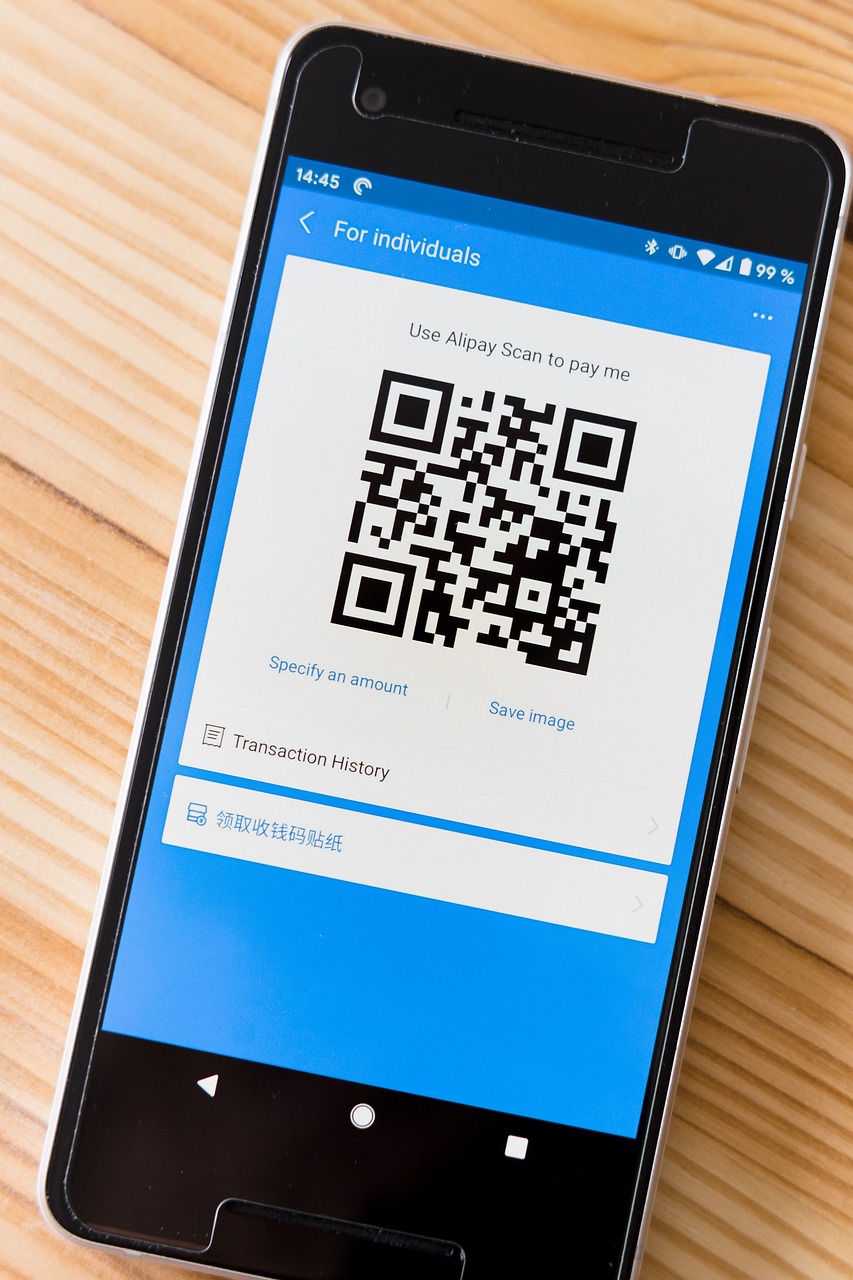
To ensure the security and fairness of methods, it's crucial to implement best practices for securing casino payment gateways. This involves a multi-layered approach that goes beyond the standard security measures. Integrating robust encryption technologies like SSL Encryption and Two-Factor Authentication (2FA) is essential. These measures safeguard sensitive financial data, making it extremely difficult for hackers to access or manipulate transactions.
Casino payment integration technology should also incorporate eCOGRAP (electronic Coin and Game Regulatory Platform) to monitor and track transactions in real-time. This not only detects unusual patterns but also helps in preventing fraudulent activities. Embracing innovative solutions like Bitcoin and other cryptocurrencies offers both international casino payment solutions and a layer of anonymity, making transactions more secure and scam-free. Localized payment options, such as direct bank deposits and mobile payments, further enhance accessibility and convenience, but they must be integrated with robust security protocols to meet regional regulations.
Casino Payment Guides recommend that operators regularly audit their payment gateways and keep software up to date to patch vulnerabilities. Establishing robust customer support teams and promoting financial literacy among players can also mitigate risks. For high rollers, engaging with forums and seeking expert advice can provide valuable insights into navigating complex payment methods securely. Lastly, staying abreast of emerging trends, such as blockchain technology and biometric authentication, ensures that methods remain at the forefront of security and integrity.
Common Payment Gateway Mistakes in Casinos

In the complex world of licensed online casino operations, payment gateways are the unsung heroes ensuring smooth, secure transactions. These errors, often seemingly minor, can lead to significant issues, from delayed payments to compromised security. Understanding and avoiding these common pitfalls is crucial for both operators and players, promoting fairness and enhancing the overall experience.
One of the most frequent mistakes involves inadequate integration of security measures. Many casinos, in an effort to offer a wide range of payment options, overlook the importance of robust security protocols. Not all payment gateways employ advanced encryption like SSL, or fail to implement two-factor authentication (2FA), leaving accounts vulnerable to hacking. This is particularly concerning when considering the growing popularity of eco-friendly casino banking solutions, where sensitive data is shared, necessitating extra protection.
Regional and local payment options, while expanding reach, can introduce complexities. Casinos must ensure they comply with various legal and regulatory frameworks, especially when dealing with cash deposits or mobile payments. Curacao eGaming has specific guidelines for online casinos within its jurisdiction. Neglecting these local requirements can result in delays, fines, or even license revocations. Casino Payment Guides recommend a thorough understanding of these nuances, staying updated on the latest trends, and consulting with financial advisors and gambling industry experts to navigate these challenges effectively.
Choosing a Secure Casino Payment Gateway: What to Consider
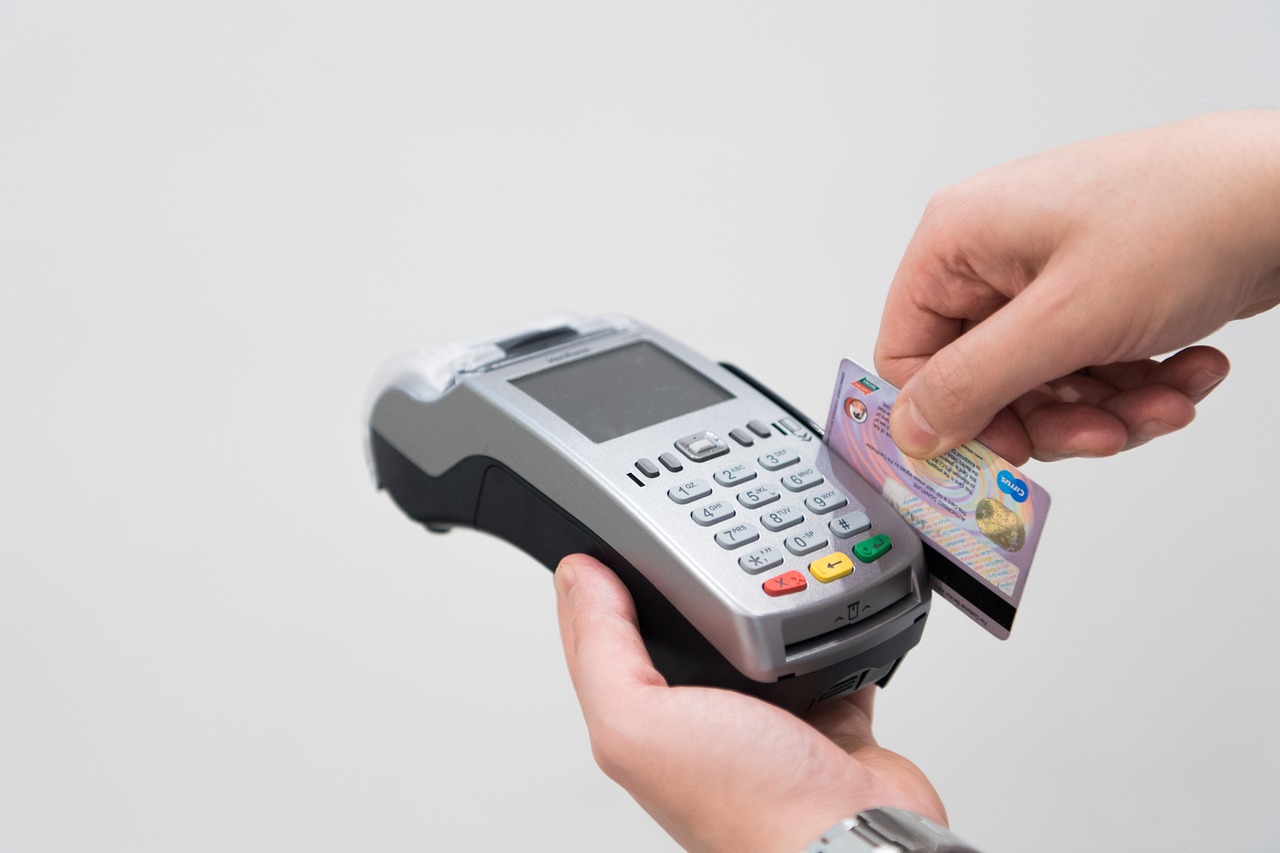
Choosing a secure casino payment gateway is a crucial step for any licensed operator, as it directly impacts player trust, transaction speeds, and overall business success. When selecting international casino payment solutions or niche casino banking services, several key factors must be considered to ensure fairness and security.
First and foremost, the gateway must support a diverse range of methods, catering to both global and local preferences. While Visa and MasterCard are universal, regional options like local banks and mobile payments can significantly boost adoption rates. Crypto.com, for example, has gained traction offering a unique and secure payment method for cryptocurrency enthusiasts. Each method comes with its own set of benefits and drawbacks, so understanding player demographics and behaviors is essential.
Next, robust security measures are paramount. Implement SSL Encryption and Two-Factor Authentication (2FA) to protect sensitive data. ECOGRAP (a hypothetical regulatory body) enforces strict standards, so staying compliant with their guidelines ensures both fairness and security. Biometric authentication, another emerging trend, adds an extra layer of protection, especially on mobile devices. Consider the gateway's fraud detection systems, as these can significantly reduce chargeback risks and protect both the casino and its players.
Lastly, efficient customer support and clear communication are vital. Niche casino banking services often require specialized support to address unique issues. Casino Payment Guides recommend establishing dedicated support channels, such as live chat or phone lines, to handle payment-related queries promptly. By addressing common casino payment questions effectively, you can enhance player satisfaction and retention, ultimately contributing to the success of your online casino platform.
Frequently Asked Questions About Understanding Licensed Casino Payment Gateways: Ensuring Fairness and Security
What is a licensed casino payment gateway? A licensed casino payment gateway is a secure, third-party service that facilitates financial transactions between a casino and its players. It acts as an intermediary, ensuring that payments are processed safely, accurately, and in compliance with legal and regulatory requirements. This includes encrypting sensitive data, verifying player identities, and managing funds transfers.
How do I know if a casino's payment gateway is secure? Look for certifications from reputable security standards like PCI DSS (Payment Card Industry Data Security Standard). These certifications confirm that the casino's payment gateway follows best practices for protecting cardholder data. Check for encryption protocols, secure socket layer (SSL) certificates, and two-factor authentication (2FA) options to ensure your transactions are safe.
What are the costs associated with setting up a payment gateway for a casino? The costs can vary widely depending on the provider, the complexity of integration, and the volume of transactions. Generally, casinos can expect to pay a combination of setup fees, monthly fees, and transaction fees. Setup fees typically cover initial configuration and integration with existing systems. Monthly fees support ongoing maintenance and customer support. Transaction fees are based on the value of each payment processed.
Are there risks involved with using a casino's payment gateway? While licensed payment gateways significantly reduce risk, there are still potential vulnerabilities. These include fraud, data breaches, and regulatory non-compliance. To mitigate these risks, casinos should choose reputable providers, implement robust security measures, and stay updated on industry regulations. Regular audits and monitoring can also help identify and address emerging threats.
How quickly can I implement a licensed payment gateway? The timeline for implementation varies. Most providers offer expedited onboarding for existing casinos, with some solutions taking as little as one to two days to set up. However, for new casinos or complex integrations, the process could take up to two weeks or more. It's crucial to communicate with your chosen provider to understand their specific implementation process and timeline.
What payment methods do licensed casino payment gateways support? Licensed gateways typically support a wide range of payment methods, including credit and debit cards (Visa, Mastercard, American Express), e-wallets (PayPal, Skrill), bank transfers, and cryptocurrency. The specific options available depend on the provider and regulatory requirements in your jurisdiction. Some gateways even offer custom solutions for unique payment needs.
Can I change my payment gateway if I'm not satisfied? Absolutely. Most casinos have the flexibility to switch payment gateways if they find a better option that suits their needs. However, this process may involve costs and could impact the seamlessness of transactions. It's essential to evaluate the terms and conditions of your current agreement with a provider before making a change.
Understanding and implementing effective methods is crucial for ensuring fairness and enhancing security in the gaming industry. The article has examined various aspects, from the fundamental question of what licensed casino payment gateways are, to best practices for securing them, and common mistakes to avoid. By examining diverse payment options like MasterCard, PayPal, Crypto.com, and Visa, and exploring security measures such as SSL Encryption and Two-Factor Authentication, readers have gained a comprehensive toolkit for navigating the complex world of casino payments.
Key insights include the importance of regional and local payment options tailored to specific markets, as well as the growing role of technologies like Bitcoin and blockchain in enhancing transparency and security. The article has also underscored the value of seeking expert advice, engaging financial advisors, and leveraging customer support teams to mitigate risks and ensure smooth transactions.
Moving forward, casinos should prioritize continuous evaluation of their payment gateways, staying abreast of emerging trends like biometric authentication and mobile wallets, and integrating these innovations to meet the evolving needs of their clientele. By adopting these practices, casinos can foster a secure, efficient, and fair environment for all players, solidifying their position in the competitive gaming landscape.
Ensuring Fairness & Security in Methods
Methods are critical to the integrity and accessibility of online gambling. Gateways protect funds through encryption (like SSL), 2FA, and eCOGRAP monitoring, ensuring transactions are secure and fair. Regional options, from local banks to cryptocurrencies, expand accessibility but require strict compliance. Best practices include robust security measures, customer support, and staying informed about trends like blockchain and biometric auth. By avoiding common pitfalls and following expert advice, casinos can provide a secure, seamless experience for players worldwide.